ACCIDENT & FRACTURE CLINIC
Home > ACCIDENT & FRACTURE CLINIC
Accident & Fracture Clinic
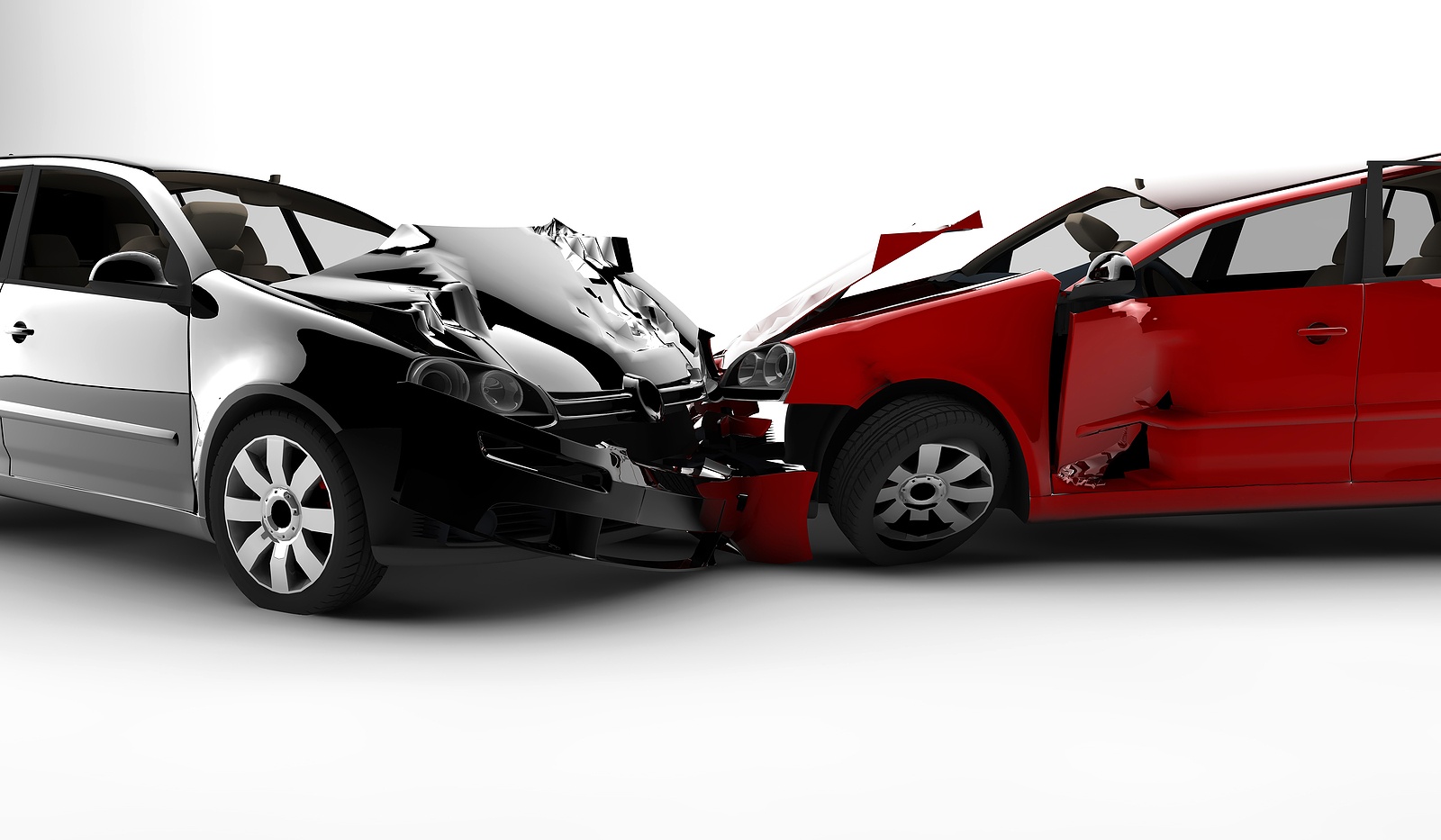
DR.SHELAR’S ORTHO CARE Accident & Fracture Clinic provides expert diagnosis, treatment, and rehabilitation for all types of fractures and accident-related bone injuries. Broken bones are a common consequence of car accidents due to the extreme force and impact involved. Our specialized clinic is equipped to handle even the most complex cases — from simple fractures to multiple bone injuries.
Car accidents can result in pelvic fractures, broken ribs, skull or spinal fractures, as well as injuries to the ankle, thighbone, collarbone, neck, and spine. In some cases, these fractures may require surgical intervention, while others demand long-term recovery supported by physiotherapy and rehabilitation.
Recovery from these injuries may take a substantial amount of time, often involving physical therapy, extensive rehabilitation, and rest. This period can lead to medical expenses and temporary loss of wages due to absence from work — making timely and effective treatment crucial.
Types of Bone Fractures
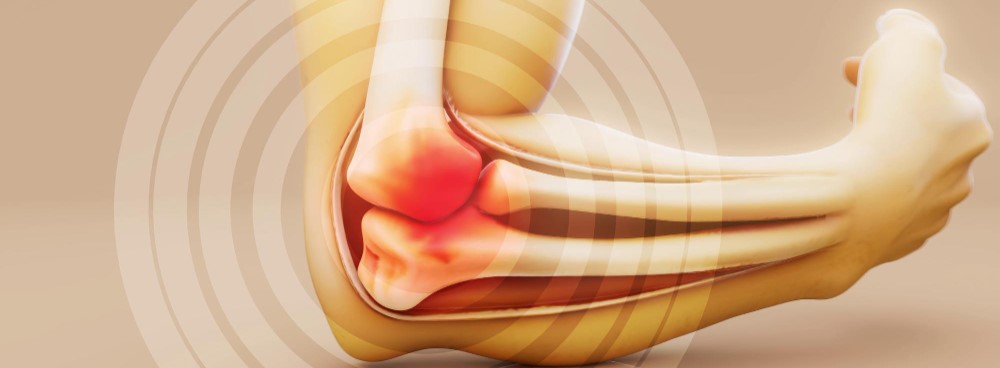
There are various ways in which bones can break during a traumatic event such as a car accident. The most common types of bone fractures treated at our clinic include:
- • Displaced fracture: Occurs when the bone snaps and moves so that the ends of the broken parts no longer align. When the bone is shattered into several pieces, it is called a comminuted fracture.
- • Non-displaced fracture: The bone cracks but remains in its proper position and alignment.
- • Open fracture: A serious condition where the broken bone pierces through the skin. The bone may remain visible or recede back into the wound. This type of fracture carries a high risk of deep bone infection and requires immediate medical attention.
- • Closed fracture: The bone breaks but does not puncture the skin, making it less visible externally but still painful and serious.
Our Treatment Approach
At DR.SHELAR’S ORTHO CARE, each patient receives personalized care, beginning with accurate diagnosis using advanced imaging techniques. Depending on the severity of the fracture, treatment may include:
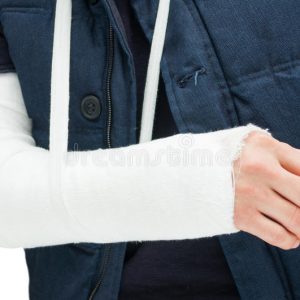
- • Cast or splint immobilization
- • Surgical fixation (using plates, screws, or rods)
- • Pain management and infection prevention
- • Physiotherapy and guided rehabilitation
- • Regular follow-up and progress tracking
Our multidisciplinary team — including orthopaedic surgeons, physiotherapists, and rehabilitation experts — ensures patients achieve full recovery and regain mobility safely and effectively.